Tickets
(falls nicht anders angegeben)
8,50 EUR Normalpreis
7,50 EUR Schüler*innen, Studierende, Kinder (bis 12 Jahre)
6,50 EUR Ö1 Club
5,50 EUR Klubmitglieder
ab Min. 121 + 1 EUR
Online-Reservierung bis 1 Stunde und Abholung bis 30 Minuten vor Filmbeginn.
8,50 EUR Normalpreis
7,50 EUR Schüler*innen, Studierende, Kinder (bis 12 Jahre)
6,50 EUR Ö1 Club
5,50 EUR Klubmitglieder
ab Min. 121 + 1 EUR
Online-Reservierung bis 1 Stunde und Abholung bis 30 Minuten vor Filmbeginn.
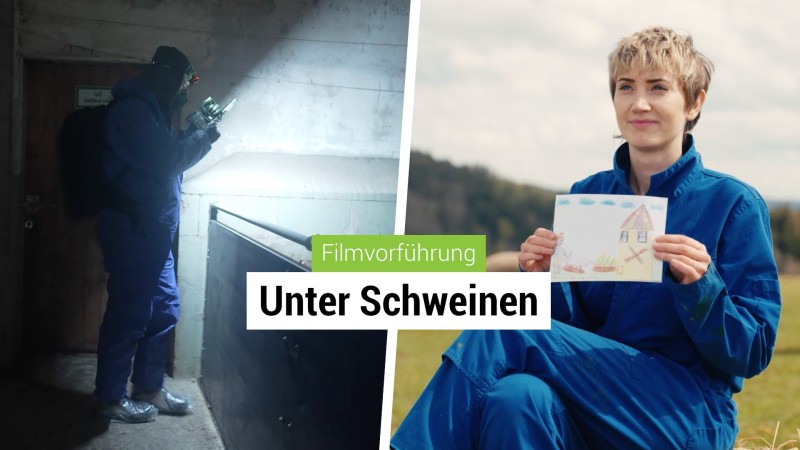
VGT-Kinoabend "Unter Schweinen – Der Undercover-Einsatz, den ich nie wieder wollte"
Carmen
Hammerschmidt DE, 2026
97 min., OV
97 min., OV
Filmvorführung mit anschließendem Gespräch
mit Protagonistin Samara Eckardt und der Regisseurin Carmen Hammerschmidt!
Der Eintritt ist kostenlos.
Der Eintritt ist kostenlos.
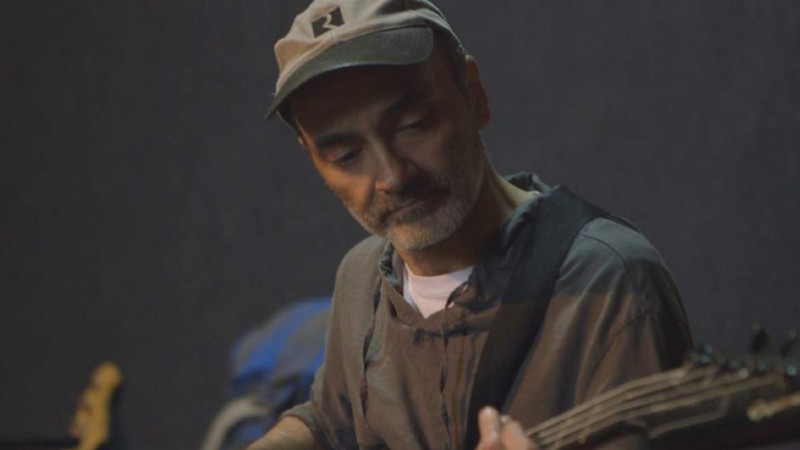
DEAD SOULS' VACATION
Keko Chelidze GE, 2020
67 min., OmeU
67 min., OmeU
Eurasia Film Days
2026. november 19 – 21.
19.11.2026 18:00 film 66min + Q&A "Dead Souls' Vacation"
20.11.2026 18:00 film 31min + Q&A "JARA"
21.11.2026 17.30 film 85 min + Q&A "Air Blue Silk"
Donnerstag, 19.11.
DEAD SOULS' VACATION*
Dead Souls' Vacation
Keko Chelidze, GE 2020, 67 min., OmeU
https://vimeo.com/315745866
A once-popular musician in Georgia, Levan Svanidze lives in a 14 m2 apartment with his elderly mother Lamara. Forgotten by everyone, Levan seems to have no luck at finding a job or a girlfriend. Despite everything, Levan is an optimist: he doesn’t fall into despair, tries to overcome his routine problems and achieve success. As for Lamara, her main concerns are that her son is well-fed, dressed appropriately, but most importantly - not affectionate with a woman unworthy of his love.
+ Q&A with Kostantine Kalandadze (writer, producer, DoP & editor)
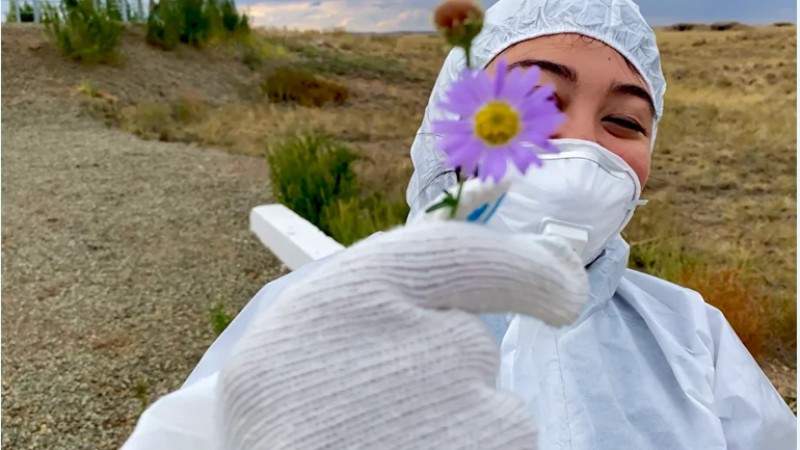
J A R A – Radioactive Patriarchy: Women of Qazaqstan
Aigerim Seitenova
KZ, 2025
31 min., OmeU
31 min., OmeU
Eurasia Film Days
2026. november 19 – 21.
19.11.2026 18:00 film 66min + Q&A "Dead Souls' Vacation"
20.11.2026 18:00 film 31min + Q&A "JARA"
21.11.2026 17.30 film 85 min + Q&A "Air Blue Silk"
Freitag, 20.11.
J A R A – Radioactive Patriarchy: Women of Qazaqstan*
Aigerim Seitenova, KZ 2025, 31 min., OmeU
https://www.youtube.com/watch?v=dGY5aHjiyTc
Amidst the vast steppes and boundless horizon, Kazakh land bears the scars of devastation and man-made catastrophe. JARA - Radioactive Patriarchy: Women of Qazaqstan is an independent documentary that unearths the tragic legacy of environmental destruction and human suffering caused by 40 years of nuclear testing on Kazakh land.
The word jara means "a wound" in the Kazakh language. Nuclear wounds have spread across millions of things - humans, animals, insects, water, air, and soil. Ionizing radiation has cursed millions of people across past, present, and future generations.
Some struggles and scars of the nuclear age have remained unseen. Women and girls have been disproportionately impacted by the nuclear testing program. Since 2022, Aigerim Seitenova, a third-generation survivor of Soviet nuclear testing, has started a self-reflection journey to confront and understand her own family’s nuclear legacy.
+ Q&A with Aigerim Seitenova
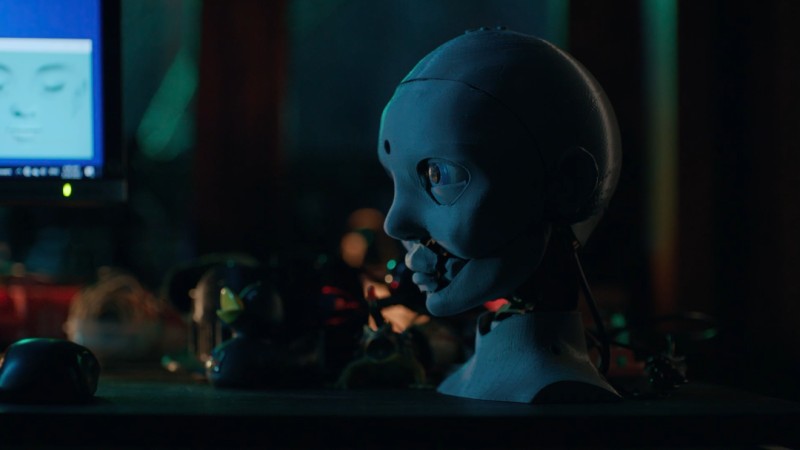
AIR BLUE SILK
Irine Jordania GE, 2024
84 min., OmeU
84 min., OmeU
Eurasia Film Days
2026. november 19 – 21.
19.11.2026 18:00 film 66min + Q&A "Dead Souls' Vacation"
20.11.2026 18:00 film 31min + Q&A "JARA"
21.11.2026 17.30 film 85 min + Q&A "Air Blue Silk"
Samstag, 21.11.
AIR BLUE SILK*
Air Blue Silk
Irine Jordania, GE 2024, 84 min., OmeU
https://www.youtube.com/watch?v=sQFvcJZITBw
Eka is a successful TV presenter in Tbilisi whose life is turned upside down when her aunt - an economic migrant whom she never has time for commits suicide abroad. Nika is a reclusive programmer, working obsessively on a piece of artificial intelligence from the sanctuary of his apartment. On the city streets outside, a worker falls to his death on a poorly-regulated construction site. For brief moments, these worlds touch, only to pull apart again under the strain of self-imposed loneliness. And the city caught in an endless cycle is filled with a myriad of echoes.
+ Q&A with Irine Jordania
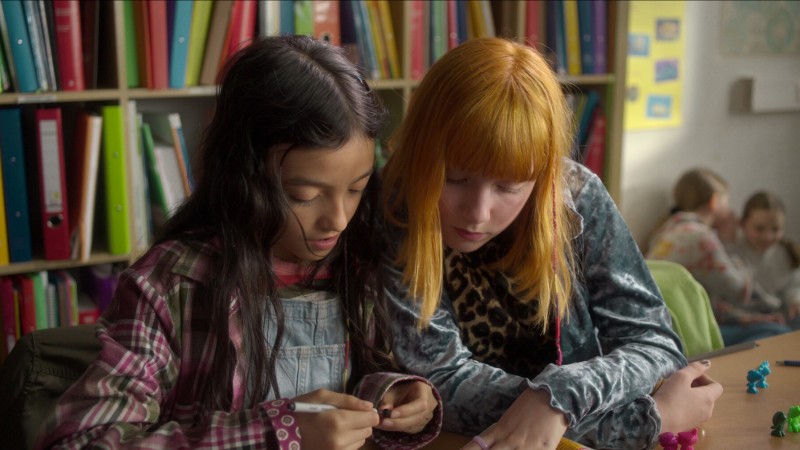
Blue Danube Film Festival - INTERNATIONALES KURZFILMPROGRAM 1
diverse
EU, 2026
94 min., OmeU
94 min., OmeU
Das Blue Danube Film Festival findet 2026 zum neunten Mal
statt und präsentiert eine vielfältige internationale Auswahl zeitgenössischer Kurzfilme in Wien, Budapest und Bratislava.
Das Festival bietet Raum für unterschiedliche filmische Ausdrucksformen – von Spielfilm und Animation bis hin zu experimentellen Arbeiten. Ein besonderer Schwerpunkt liegt auf der Begegnung zwischen Filmschaffenden und Publikum.
Im Schikaneder werden an zwei Abenden insgesamt zwölf Kurzfilme gezeigt, darunter Werke österreichischer, ungarischer und internationaler Filmschaffender.
Blue Danube Film Festival - INTERNATIONALES KURZFILMPROGRAM 1

Blue Danube Film Festival - INTERNATIONALES KURZFILMPROGRAM 2
diverse
EU, 2026
94 min., OmeU
94 min., OmeU
Das Blue Danube Film Festival findet 2026 zum neunten Mal
statt und präsentiert eine vielfältige internationale Auswahl zeitgenössischer Kurzfilme in Wien, Budapest und Bratislava.
Das Festival bietet Raum für unterschiedliche filmische Ausdrucksformen – von Spielfilm und Animation bis hin zu experimentellen Arbeiten. Ein besonderer Schwerpunkt liegt auf der Begegnung zwischen Filmschaffenden und Publikum.
Im Schikaneder werden an zwei Abenden insgesamt zwölf Kurzfilme gezeigt, darunter Werke österreichischer, ungarischer und internationaler Filmschaffender.
Blue Danube Film Festival - INTERNATIONALES KURZFILMPROGRAM 2
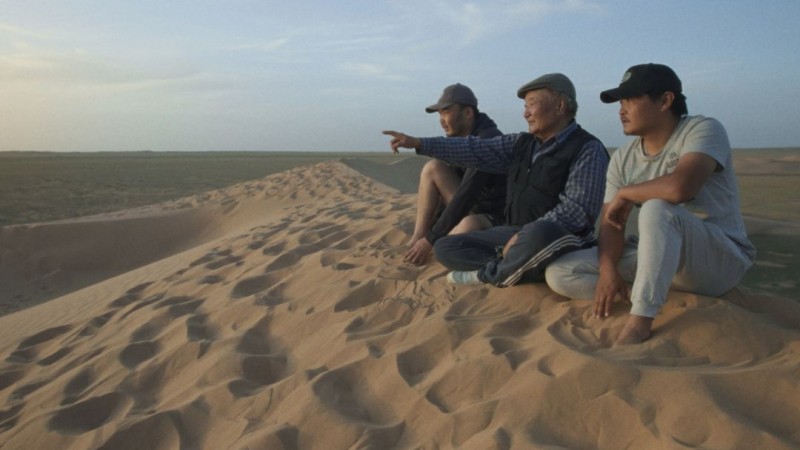
this human world: WE HAVE TO SURVIVE + Panel
Tomáš Krupa SK/FR/AT,
2026
102 min., eOV
102 min., eOV
Austrian Competition
A
cinematic journey around the globe in the face of climate change. From the fragile Outer Banks in the USA - where the sea
is slowly reclaiming the land - across the vast deserts of Mongolia, through the underground towns in Australia where people
live to escape the scorching desert heat, to the icy coasts of Greenland where age-old traditions are changing. The film opens
doors to different spaces within our global home. Through intimate stories, it becomes visible how communities adapt, survive,
and forge new paths - connected by a shared, fragile world and the strength to meet it with courage and care. The film's powerful
and hopeful message shows that human ingenuity is a force of resilience.
In cooperation
with OeAD / APPEAR
How do communities adapt to a changing planet, and what does
resilience mean in the face of the climate crisis? Following the film, the discussion highlights the connections between climate
change, human rights, and social justice, as well as the importance of solidarity and collective action.
OeAD
/ APPEAR
APPEAR is a program of the Austrian Development Cooperation implemented by the OeAD
- Austria's Agency for Education and Internationalisation. It promotes international higher education cooperation and research
for sustainable development and societal change.
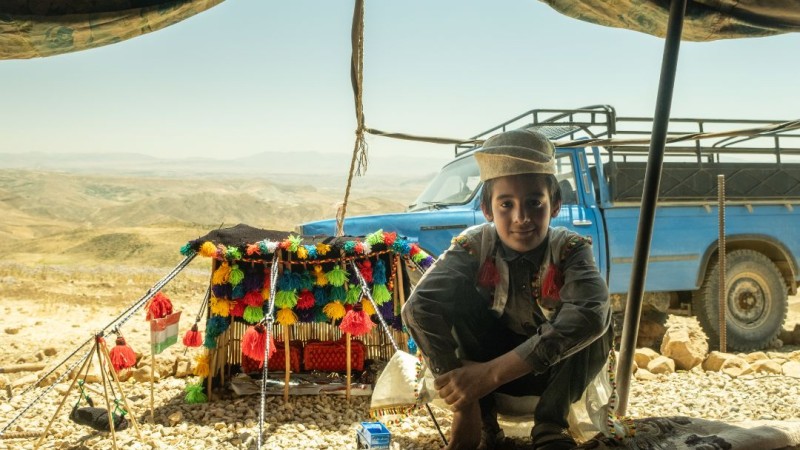
this human world: TEMPORARY NOMAD + Q&A
Valentin Macke AT, 2026
91 min., OmeU
91 min., OmeU
Austrian Competition
Valentin
Macke documents his two-year journey from Austria heading east. Whether hitchhiking, sleeping on strangers’ couches, or under
the open sky, he meets people from a wide variety of social backgrounds. Deep in the mountains of Iran, he meets one of the
last “true” nomadic families. At first, communication is possible only through gestures, but despite the language barrier,
a deep bond develops. During their journey together, Valentin gains insights into a vanishing world caught between centuries-old
tradition, the pull of modernity, and an oppressive regime.
Q&A with director
Between
Tradition and Change: Nomadic Life in Iran
What does it mean to preserve a way of life in a rapidly changing
world? Following Temporary Nomad we talk with director Valentin Macke about his journey through Iran, the encounters that
shaped his documentary, and the challenges facing nomadic communities balanced between centuries-old traditions, modernization,
and political restrictions. The discussion offers insights into intercultural encounters, human connection, and filmmaking
across language barriers.
Valentin Macke — Director
Valentin Macke is
an Austrian filmmaker and traveler. In his documentary - Temporary Nomad (2026), he documents a two-year journey from Austria
heading east, during which he encounters diverse people and builds a close connection with a nomadic family in the mountains
of Iran. His work focuses on cultural exchange, human connection, and traditional ways of life.
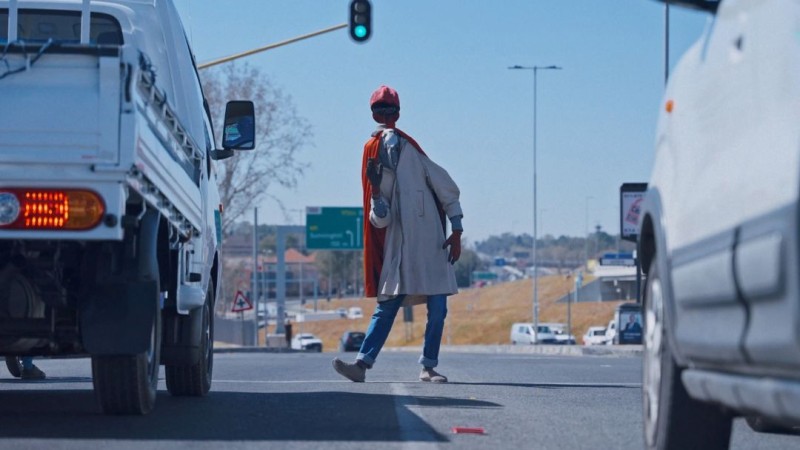
this human world: ROBOTS
Yaseen J. Khan ZA/LK, 2026
65 min., eOV
65 min., eOV
Up & Coming Competition
Against
the backdrop of Johannesburg’s traffic-light intersections, known locally as “robots” Yaseen J Khan explores the places where
inequality, identity, and the struggle for survival converge. As soon as the traffic light turns red and the cars come to
a stop, a world of its own comes to life. Dancers, jugglers, street vendors, and performers make the most of the few seconds
before traffic starts moving again. At one of these intersections, “Gift,” known as “Marshmallows,” performs his spectacular
act, “Headless Man.” Away from the street, “Gift” juggles his roles as husband, father, and brother while struggling to make
ends meet. Caught between hope and uncertainty, he ultimately faces an unexpected turn of events that could fundamentally
change his life.
this human world: WOMEN OF SIN + Panel
Noufissa Charaï FR/MA, 2026
73 min., OmeU
73 min., OmeU
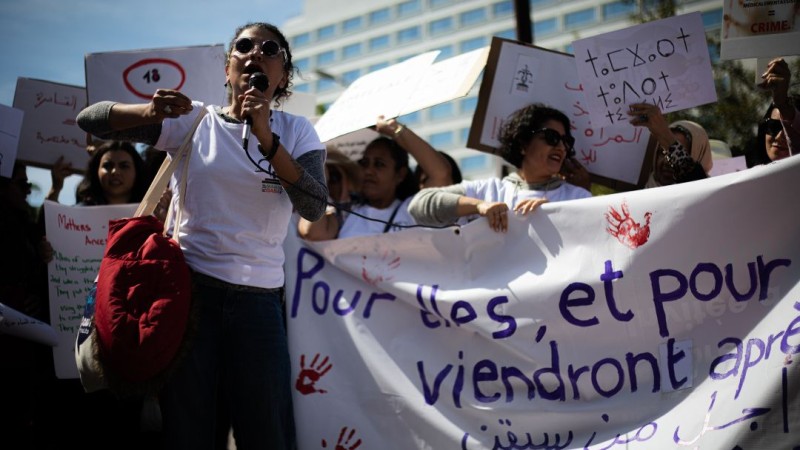
Noufissa Charaï follows Karima Nadir, a grassroots activist and single
mother in Morocco, as she fights against laws that prohibit sex outside of marriage and push single mothers to the margins
of society. Under Article 490, any sexual relationship outside of marriage is considered fornication in Morocco and is punishable
by up to one year in prison. Even rape victims can face criminal prosecution. Although the law officially applies to both
men and women, in practice it is applied predominantly against women. With humor, perseverance, and her “son of sin,” Karima
advocates for change and women’s rights. As Morocco prepares a long-awaited reform of family law, Karima and her group “KIF
MAMA KIF BABA” are invited to Parliament to advocate for women’s rights.
Q&A in cooperation
with Amnesty International Austria / Amnesty Youth
What does it take to challenge laws
and societal norms that restrict women's freedom? Following Woman of Sin we discuss women's rights, bodily autonomy, and feminist
resistance - as well as the power of civil society engagement in the fight against discrimination.
Amnesty
International Austria
Amnesty International is a global human rights movement that documents human rights
violations, mobilizes against injustice, and advocates for the protection of fundamental rights and freedoms.
Noufissa
Charaï - Director
Noufissa Charaï is a Moroccan filmmaker. Her documentary - Women of Sin portrays the
struggle for women's rights and against discriminatory laws in Morocco.
this human world: THE BALKAN COWBOY
Dragana Jurišić IE/HR, 2026
93 min., OmeU
93 min., OmeU
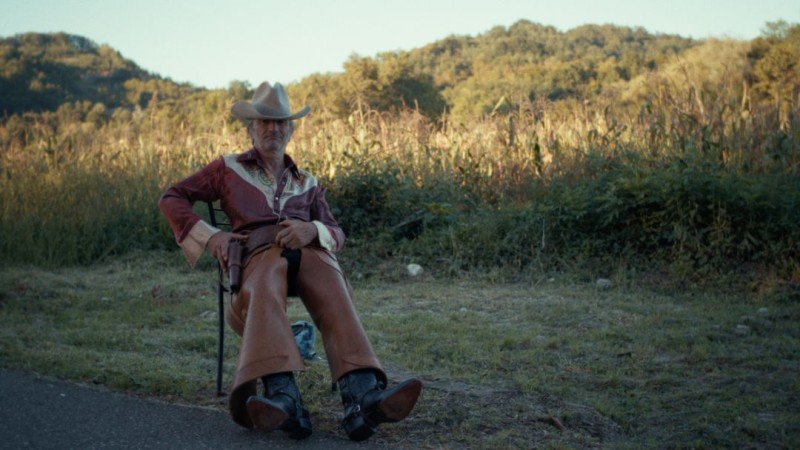
In this enchanting, deeply personal love letter to a forgotten pioneer
of low-budget Balkan Westerns, a Croatian filmmaker living in exile returns to the “Wild East” of her war-torn childhood.
There, she explores the story of an eccentric cult filmmaker—a story stranger than any fiction.
*The Balkan Cowboy*
is a sentimental journey that becomes a bittersweet examination of one’s own roots, exile, and the lasting scars of war. Yet
these weighty themes are wrapped up in an amusing, captivating, and artfully staged travelogue featuring a charmingly diverse
cast.
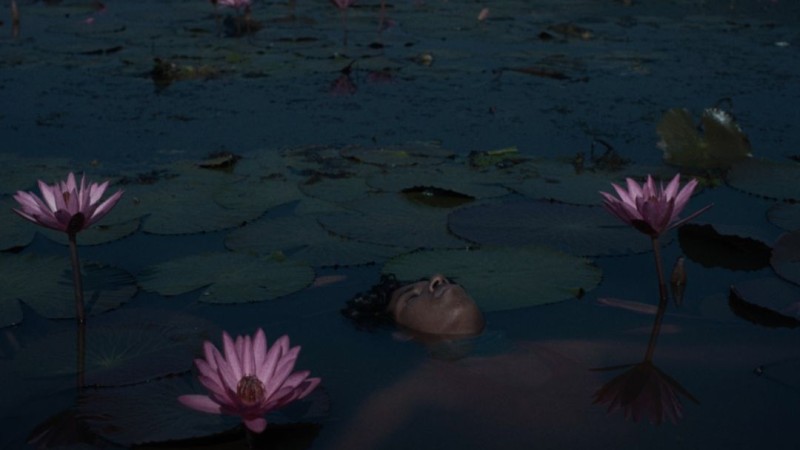
this human world: EXPANDED SHORTS: BLIND EYE
, 2026
72 min.,
72 min.,
Expanded Shorts Competition
ALI
Adnan Al Rajeev - BD/PH
2026, 15 min., OmeU
THE SECRET ASSISTANTS
Katey Lee Carson - FR/DE/GB 2026, 20 min.,
OmeU
washed out
Hannes Oberparleiter - AT/IT 2026, 12 min., OmeU
GUARDIANA
Lady
Vinces Cruz - PE 2026, 11 min., OmeU
SOFOREM
Alejandro Fertero - ES 2026, 14 min., OmeU
this human world: ON OUR OWN + Q&A
Tudor Cristian Jurgiu RO, 2026
95 min., OmeU
95 min., OmeU
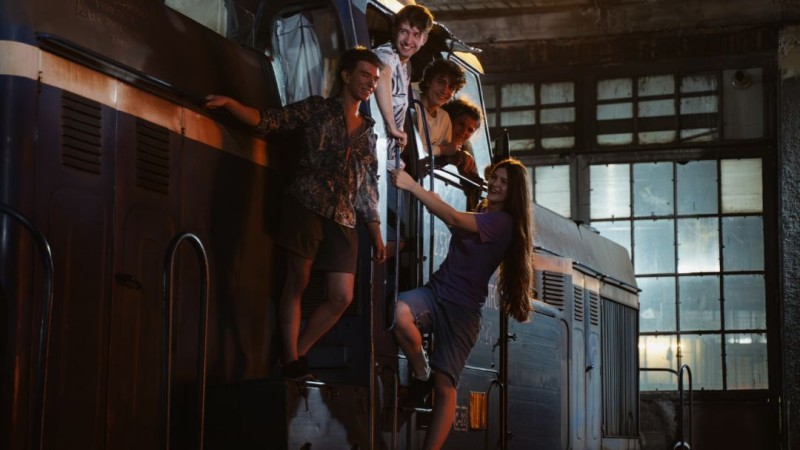
This coming-of-age film explores the challenges of growing up when
the adults are absent. Fourteen-year-old Flavia lives alone in a small Romanian town. With her mother working as a caregiver
in Italy and her father moving from one construction site to another, she has to fend for herself. She has developed a sharp
sense of sarcasm and a protective emotional distance that shape her relationships with others. Her friend Luca knows this
situation all too well: he, too, is left to his own devices and takes on the responsibility of caring for his younger sister.
When she brings two other children home one day, new relationships begin to form, and an unusual community emerges in which
the children learn to look out for one another.
Q&A with director Tudor Cristian Jurgiu
Growing
Up Alone: Family, Migration, and Belonging
What does it mean to grow up when the people meant to guide you are far
away? Following On Our Own we speak with director Tudor Cristian Jurgiu about the experiences of children whose parents work
abroad, the search for belonging, and the meaning of family. The discussion offers insights into the making of the film and
the challenges faced by a generation forced to become independent far too early.
Tudor
Cristian Jurgiu — Director
Tudor Cristian Jurgiu is a Romanian filmmaker and lecturer at the National University
of Theatre and Film in Bucharest. His feature film debut - The Japanese Dog (2013) premiered at the San Sebastián International
Film Festival. His latest film - On Our Own (2026) premiered at the Berlinale Forum and was awarded the CICAE Art Cinema Award.

this human world: AGRIDULCE (BITTERSWEET) + Q&A
Frank Pavich DO,
2026
98 min., OmeU
98 min., OmeU
Up & Coming Competition
In
the Dominican town of Cabarete, Bachata is a way of life - far removed from the nightclubs where the dance is celebrated globally
today. Over a period of more than five years, director Frank Pavich (Jodorowsky’s Dune) follows a group of young musicians
coming of age, offering an intimate look at how music shapes and accompanies their journey toward self-discovery. They are
supported by Mártires de León, guitarist for Romeo Santos and teacher at the "Academia de Bachata" - the world’s only school
dedicated entirely to a musical genre that has become one of the Dominican Republic’s most vital cultural exports. Intergenerational
tensions emerge as the youth strive to reconcile the legacy of the past with the future they wish to build for themselves.
Q&A
& Bachata Dance Social
More Than Just Rhythm: Bachata, Identity, and
Cultural Heritage
How can music and dance shape identity and connect people? Following Agridulce we explore
the cultural roots of Bachata, its significance in Dominican society, and the power of music as an expression of identity
and belonging. The film screening is accompanied by a Q&A offering insights into the making of the documentary, as well
as a special Bachata Dance Social where the audience can experience the rhythms of the film off screen as well.
Benjamin
de Menil — Producer
Benjamin de Menil is a film producer and founder of the Academia de Bachata,
a tuition-free music school in the Dominican Republic. His long-standing connection to the local community forms the foundation
of the documentary film Agridulce.