THIS HUMAN WORLD 2026

this human world: BENI’S NOISE

AT/FR, 2026
44 min., OmeU

Austrian Competition

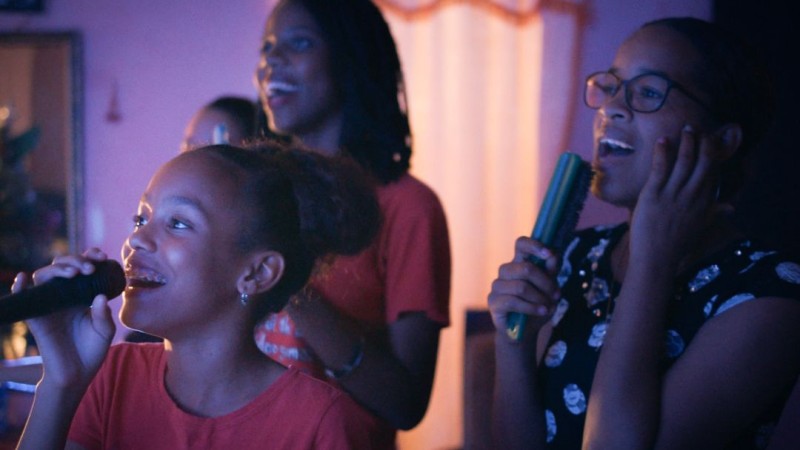
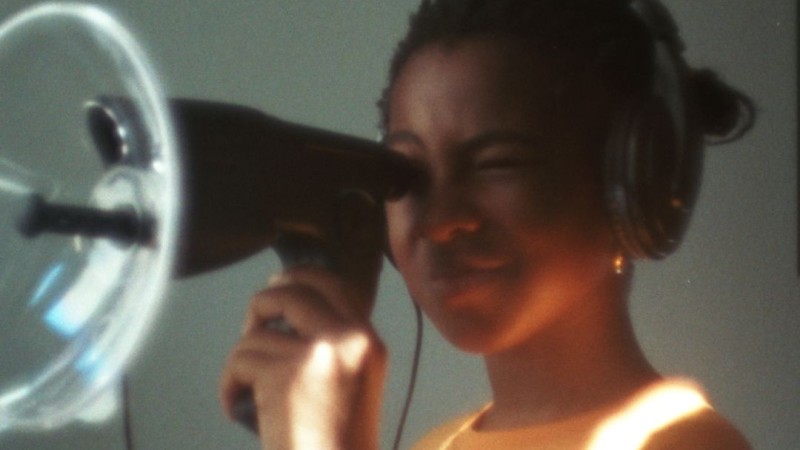
Valérie Pelet’s poetic film is reminiscent of French cinematic essays. While her mother is at work, ten-year-old Béni collects sounds. For Béni, noise doesn’t exist. The chirping of birds, the hum of the high-voltage power line, the vibration of the asphalt, or the rolling of the beads from a broken necklace. Béni can see the sounds. The acoustic impressions that largely drive the film invite viewers to close their eyes, just like Béni, and imagine what is being shown. The girl also listens intently to her own body: “I hear my heart beating.” But that is a sound only Béni can hear. A film about seeking and finding the serendipitous—in cinema and in everyday life.
this human world: WE HAVE TO SURVIVE + Panel

SK/FR/AT, 2026
102 min., eOV
Austrian Competition
 
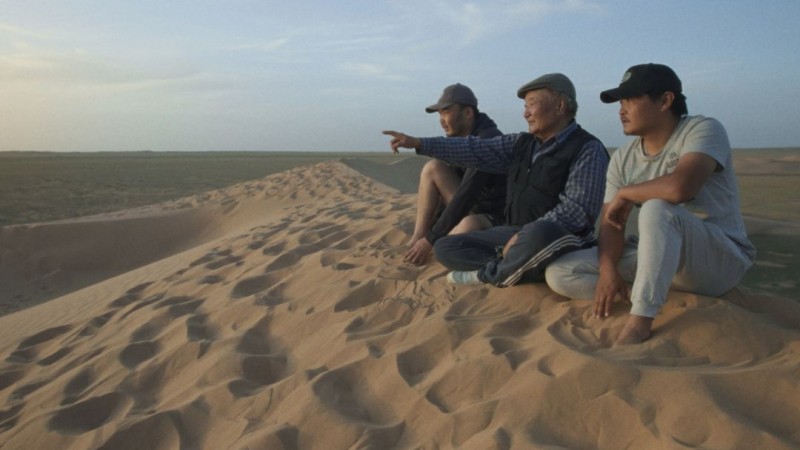
A cinematic journey around the globe in the face of climate change. From the fragile Outer Banks in the USA - where the sea is slowly reclaiming the land - across the vast deserts of Mongolia, through the underground towns in Australia where people live to escape the scorching desert heat, to the icy coasts of Greenland where age-old traditions are changing. The film opens doors to different spaces within our global home. Through intimate stories, it becomes visible how communities adapt, survive, and forge new paths - connected by a shared, fragile world and the strength to meet it with courage and care. The film's powerful and hopeful message shows that human ingenuity is a force of resilience.
 
In cooperation with OeAD / APPEAR 
 
How do communities adapt to a changing planet, and what does resilience mean in the face of the climate crisis? Following the film, the discussion highlights the connections between climate change, human rights, and social justice, as well as the importance of solidarity and collective action. 
 
OeAD / APPEAR
 
APPEAR is a program of the Austrian Development Cooperation implemented by the OeAD - Austria's Agency for Education and Internationalisation. It promotes international higher education cooperation and research for sustainable development and societal change. 

this human world: ETCHED IN MEMORY + Panel

QA/UA/UK, 2026
94 min., OmeU

Up & Coming Competition

Etched in Memory follows Crimean Tatar activists Zarema and Eskender Bariiev, who are raising their three children in war-torn Kyiv under constant rocket attacks while fighting for the liberation of their homeland, Crimea, occupied by Russia. Amid air raids, they campaign for the release of political prisoners and support members of their community whose lives have been marked by loss, displacement and the struggle for justice. Through intimate glimpses into family life, personal interviews and historical archive footage, the film connects the ongoing war with the long history of the Crimean Tatars. A moving portrait of a threatened community and its fight for survival, self-determination and the right to return to its homeland.

Panel discussion with Olena Zholubak

Homeland under Occupation: Memory, Resistance, and the Crimean Tatars
 
How do you preserve your identity and fight for your homeland while war rages around you? Following - Etched in Memory we talk with Olena Zholubak about the persecution of the Crimean Tatars, displacement, and the fight for human rights under Russian occupation. Drawing from the experiences shown in the documentary, the discussion highlights cultural identity, collective memory, and the resilience of communities fighting for justice and self-determination. 

this human world: TEMPORARY NOMAD + Q&A

AT, 2026
91 min., OmeU
Austrian Competition
 
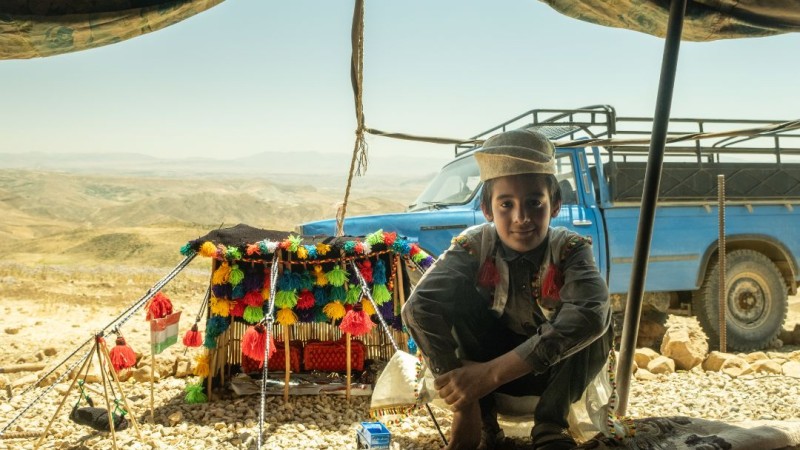
Valentin Macke documents his two-year journey from Austria heading east. Whether hitchhiking, sleeping on strangers’ couches, or under the open sky, he meets people from a wide variety of social backgrounds. Deep in the mountains of Iran, he meets one of the last “true” nomadic families. At first, communication is possible only through gestures, but despite the language barrier, a deep bond develops. During their journey together, Valentin gains insights into a vanishing world caught between centuries-old tradition, the pull of modernity, and an oppressive regime. 
 
Q&A with director 
 
Between Tradition and Change: Nomadic Life in Iran
What does it mean to preserve a way of life in a rapidly changing world? Following Temporary Nomad we talk with director Valentin Macke about his journey through Iran, the encounters that shaped his documentary, and the challenges facing nomadic communities balanced between centuries-old traditions, modernization, and political restrictions. The discussion offers insights into intercultural encounters, human connection, and filmmaking across language barriers.
 
Valentin Macke — Director
Valentin Macke is an Austrian filmmaker and traveler. In his documentary - Temporary Nomad (2026), he documents a two-year journey from Austria heading east, during which he encounters diverse people and builds a close connection with a nomadic family in the mountains of Iran. His work focuses on cultural exchange, human connection, and traditional ways of life.

this human world: ROBOTS

ZA/LK, 2026
65 min., eOV
Up & Coming Competition
 
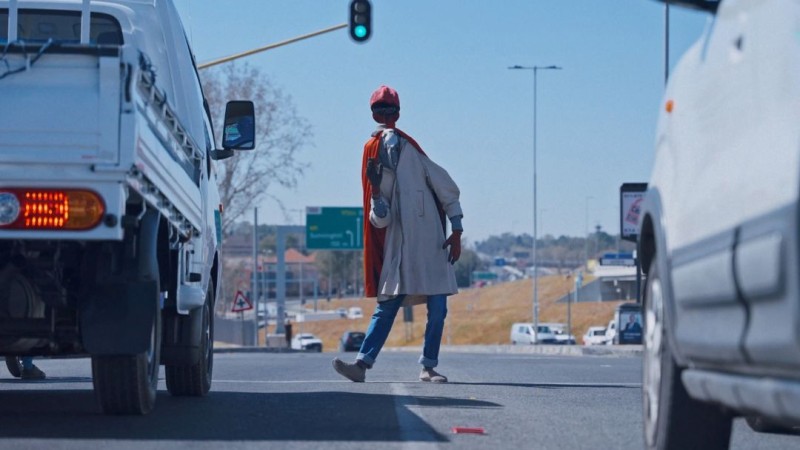
Against the backdrop of Johannesburg’s traffic-light intersections, known locally as “robots” Yaseen J Khan explores the places where inequality, identity, and the struggle for survival converge. As soon as the traffic light turns red and the cars come to a stop, a world of its own comes to life. Dancers, jugglers, street vendors, and performers make the most of the few seconds before traffic starts moving again. At one of these intersections, “Gift,” known as “Marshmallows,” performs his spectacular act, “Headless Man.” Away from the street, “Gift” juggles his roles as husband, father, and brother while struggling to make ends meet. Caught between hope and uncertainty, he ultimately faces an unexpected turn of events that could fundamentally change his life.

this human world: WHISPERS IN MAY

HK/NL/KR/SE, 2026
95 min., OmeU
International Competition
 
Qihuo has a secret: she’s just had her first menstruation. This marks the arrival of the ‘Changing Skirt’ ceremony, a traditional coming-of-age ritual, which signifies she is no longer a child, but a woman bound to the communal demands of marriage and labor.
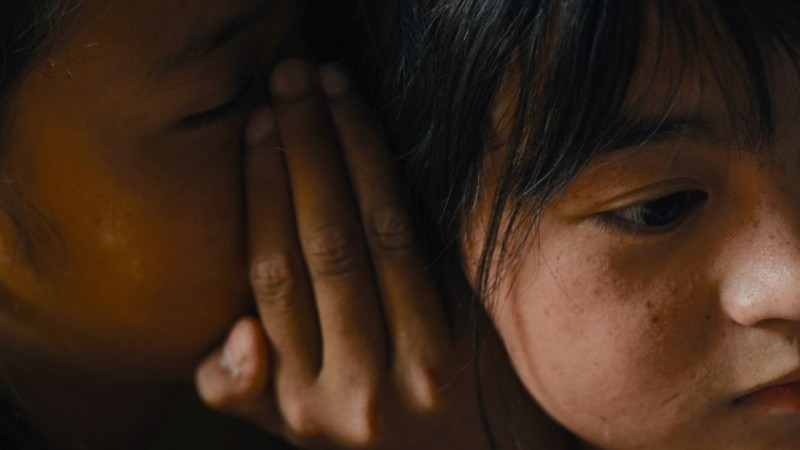
With her parents away as migrant workers and grandfather recently passed, Qihuo and her two best friends set out on a road trip to buy a skirt for her rite of passage. Blending raw documentary with an improvised fictional voyage, the film crafts a world inhabited by the girls that exists beyond social norms. Here, as the days go by and landscapes shift, the trio traverse the rugged mountains, chase shadows, and cherish fleeting moments. A time capsule, Whispers in May clings to the last moments of childhood, just before reality takes hold. Whispers in May an die letzten Momente der Kindheit – direkt bevor die Realität Einzug hält.

this human world: WOMEN OF SIN + Panel

FR/MA, 2026
73 min., OmeU
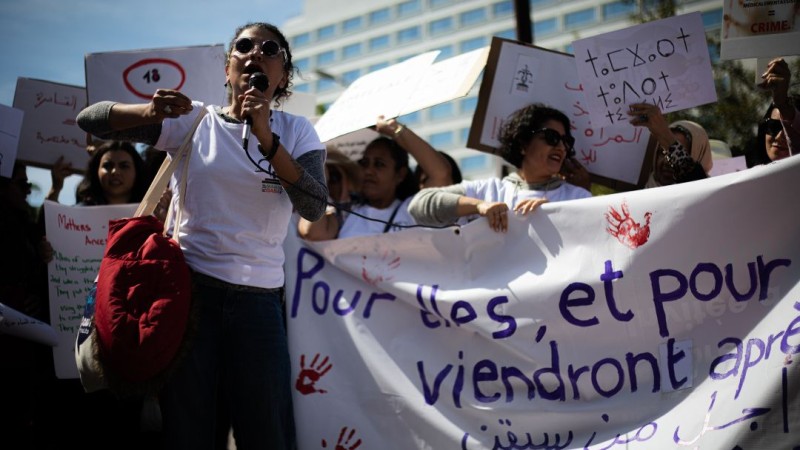
Noufissa Charaï follows Karima Nadir, a grassroots activist and single mother in Morocco, as she fights against laws that prohibit sex outside of marriage and push single mothers to the margins of society. Under Article 490, any sexual relationship outside of marriage is considered fornication in Morocco and is punishable by up to one year in prison. Even rape victims can face criminal prosecution. Although the law officially applies to both men and women, in practice it is applied predominantly against women. With humor, perseverance, and her “son of sin,” Karima advocates for change and women’s rights. As Morocco prepares a long-awaited reform of family law, Karima and her group “KIF MAMA KIF BABA” are invited to Parliament to advocate for women’s rights.
 
Q&A in cooperation with Amnesty International Austria / Amnesty Youth
 
What does it take to challenge laws and societal norms that restrict women's freedom? Following Woman of Sin we discuss women's rights, bodily autonomy, and feminist resistance - as well as the power of civil society engagement in the fight against discrimination.
 
Amnesty International Austria
Amnesty International is a global human rights movement that documents human rights violations, mobilizes against injustice, and advocates for the protection of fundamental rights and freedoms.
 
Noufissa Charaï - Director
Noufissa Charaï is a Moroccan filmmaker. Her documentary - Women of Sin portrays the struggle for women's rights and against discriminatory laws in Morocco.

this human world: THE GUEST

DK, 2026
99 min., OmeU

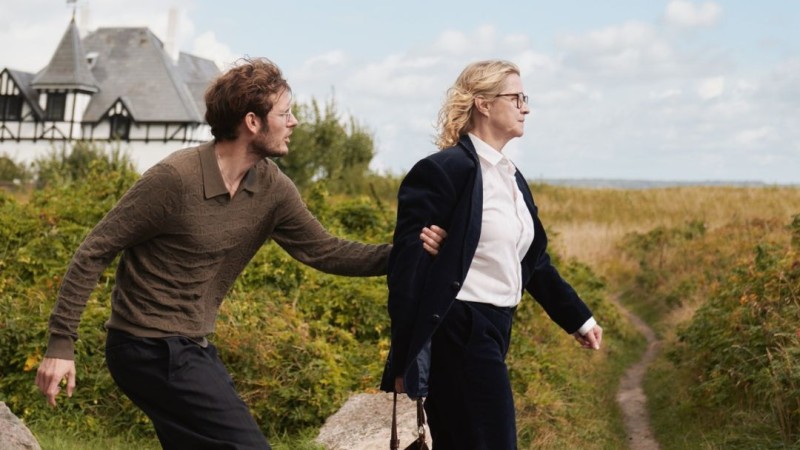
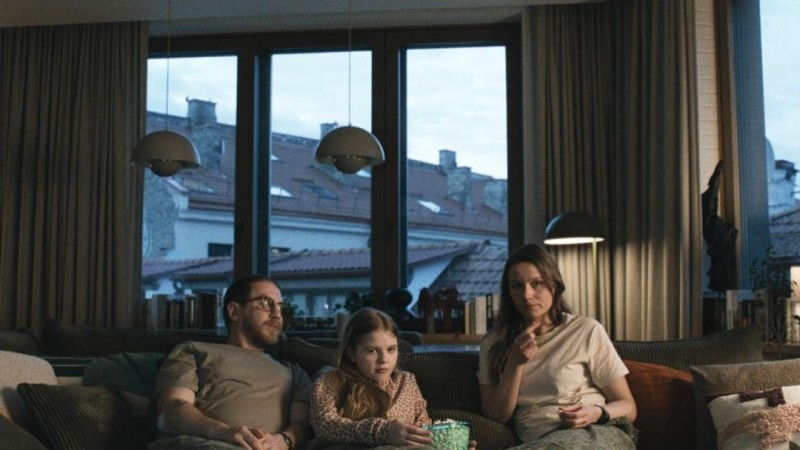
Karl and Emilie travel with their newborn son to a luxurious seaside hotel to celebrate his christening with their family. But the anticipation of a joyful occasion is disrupted when Karl’s estranged mother, whom he hasn’t seen in years, shows up uninvited. While Karl would rather send her straight back home, his sister Rikke tries to mediate. Old conflicts resurface between the siblings, long-buried wounds come to light, and what was meant to be a family celebration turns into an increasingly absurd confrontation with the past. With a keen eye for the darker sides of human relationships and a touch of dark humour, the film explores family entanglements and the illusory hope of harmony.

this human world: THE BALKAN COWBOY

IE/HR, 2026
93 min., OmeU
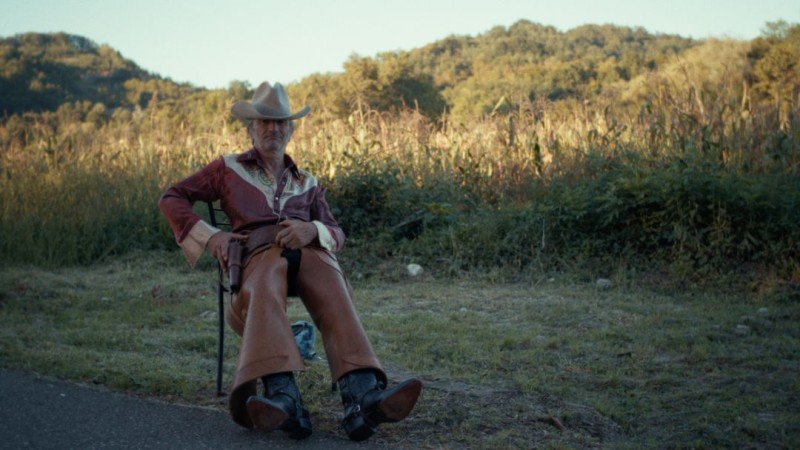
In this enchanting, deeply personal love letter to a forgotten pioneer of low-budget Balkan Westerns, a Croatian filmmaker living in exile returns to the “Wild East” of her war-torn childhood. There, she explores the story of an eccentric cult filmmaker—a story stranger than any fiction.
*The Balkan Cowboy* is a sentimental journey that becomes a bittersweet examination of one’s own roots, exile, and the lasting scars of war. Yet these weighty themes are wrapped up in an amusing, captivating, and artfully staged travelogue featuring a charmingly diverse cast.

this human world: STAND UP + Panel

NL, 2026
95 min., OmeU
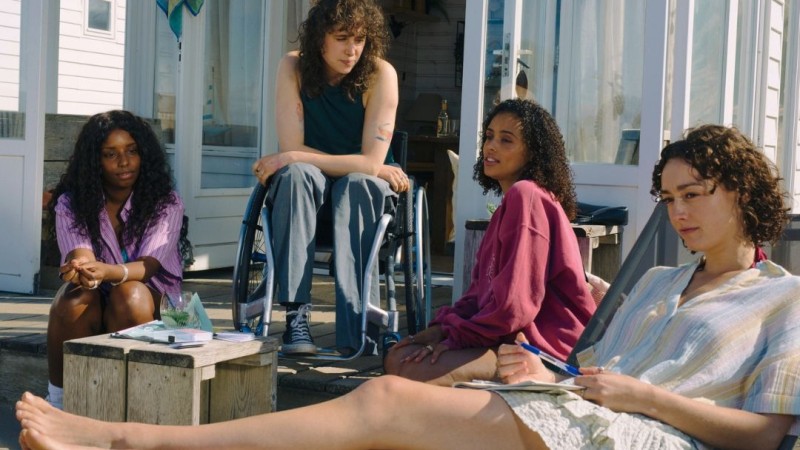
Vera, 23, loves parties, biking, and taking risks—until an accident changes her life in an instant. Suddenly, she has to find her way with only one leg and in a completely new situation. As she struggles to come to terms with her new reality as a person with a disability, she meets Xander, another young man in a wheelchair who hangs out with a large group of people with disabilities and an even greater sense of self-confidence. Caught between her old, non-disabled friends and her new circle, Vera searches for her place in life. “Stand Up” tells the story—with optimism and sensitivity—of a difficult new beginning, of friendship, and of the challenge of finding one’s own path.
 
Partner: Embassy of the Kingdom of the Netherlands
 
What does it mean to live autonomously in a world that is not equally accessible to everyone? Following Stand Up we talk about accessibility, self-determination, and the representation of disability in cinema. In doing so, we question societal expectations and the obstacles standing in the way of true inclusion.

this human world: FRÜHSTÜCKSKINO: HOW TO DIVORCE DURING THE WAR

LT/LU/IE/CZ, 2026
108 min., OmeU

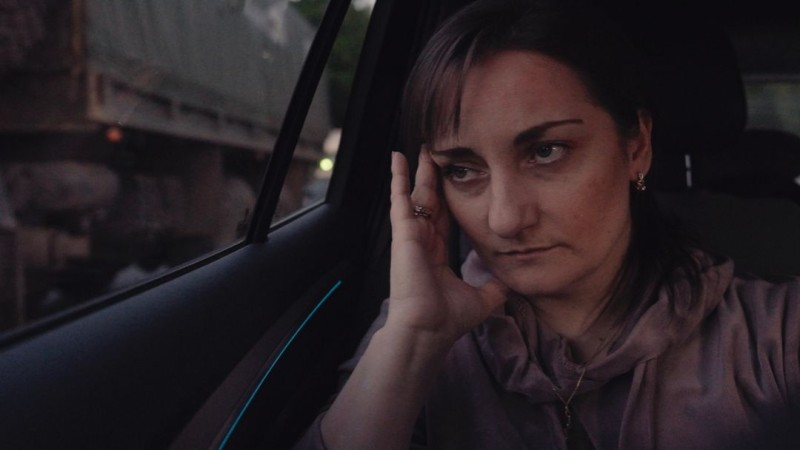
What happens when the beginning of a war in a neighbouring country coincides with the end of a relationship? Vilnius, 2022: Just one day before Russia launches its full-scale invasion of Ukraine, Marija tells her husband Vytas that she wants a divorce. As news of war and displacement dominates public life, the two must navigate their own separation. With dry, deadpan humour, this Lithuanian drama dissects the stages of a breakup, exploring the tension between selfishness and solidarity. The couple must come to terms with their divorce while facing both a refugee crisis and their own midlife crisis.

this human world: THE LANDSCAPE AND THE FURY + Q&A

CH, 2024
140 min., OmeU
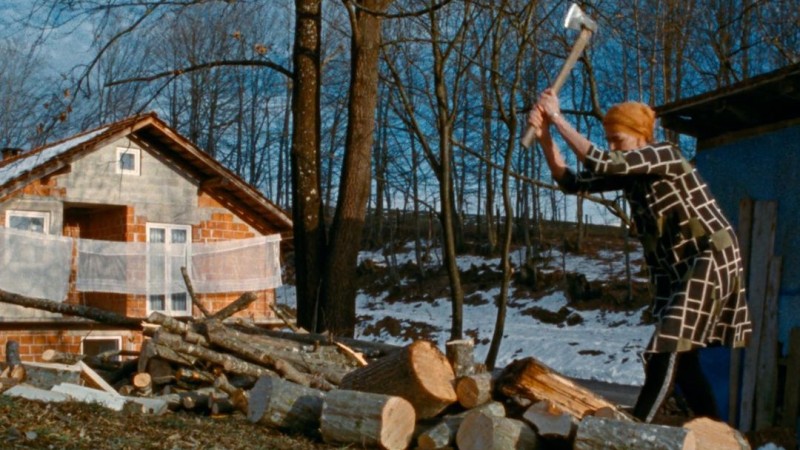
At the Bosnian-Croatian border, time seems to stand still. Green hills, dense forests, and scattered villages define a landscape that cannot shake its dark past. Landmines from the Bosnian War still lie in the ground, and the traumas linger on. At the same time, refugees from Afghanistan, Syria, and Iraq traverse the region in search of protection and a better life, while daily life continues for the locals. Wood is chopped, corn is harvested, and the imam calls to prayer. In her documentary essay, Nicole Vögele observes the interplay of landscape, history, and the present with quiet patience and without direct questions - creating a portrait of a border region where the traces of past wars overlap with the conflicts of today.
 
In cooperation with Forum Filmregie / Verband Filmregie Österreich 
 
Where do the memories of past conflicts meet the reality of present-day displacement? The subsequent film discussion examines borders, migration, and collective memory - as well as the role of documentary cinema in illuminating often overlooked daily realities.
 
Nicole Vögele - Director
Nicole Vögele is a Swiss filmmaker and journalist whose work spans documentary cinema and investigative storytelling. Her films examine societal realities using an observational and poetic cinematic approach.
 
About the Austrian Film Directors Association
The Association of Film Directors Austria (Verband Filmregie Österreich) represents the artistic and professional interests of film directors. Through the Forum Filmregie, it creates a space for exchange, discussion, and connection with international filmmakers.

this human world: EXPANDED SHORTS: BLIND EYE

, 2026
72 min.,

Expanded Shorts Competition

ALI
Adnan Al Rajeev - BD/PH 2026, 15 min., OmeU
 
THE SECRET ASSISTANTS
Katey Lee Carson - FR/DE/GB 2026, 20 min., OmeU
 
washed out
Hannes Oberparleiter - AT/IT 2026, 12 min., OmeU
 
GUARDIANA
Lady Vinces Cruz - PE 2026, 11 min., OmeU
 
SOFOREM
Alejandro Fertero - ES 2026, 14 min., OmeU

this human world: ON OUR OWN + Q&A

RO, 2026
95 min., OmeU
This coming-of-age film explores the challenges of growing up when the adults are absent. Fourteen-year-old Flavia lives alone in a small Romanian town. With her mother working as a caregiver in Italy and her father moving from one construction site to another, she has to fend for herself. She has developed a sharp sense of sarcasm and a protective emotional distance that shape her relationships with others. Her friend Luca knows this situation all too well: he, too, is left to his own devices and takes on the responsibility of caring for his younger sister. When she brings two other children home one day, new relationships begin to form, and an unusual community emerges in which the children learn to look out for one another.
 
Q&A with director Tudor Cristian Jurgiu
 
Growing Up Alone: Family, Migration, and Belonging
What does it mean to grow up when the people meant to guide you are far away? Following On Our Own we speak with director Tudor Cristian Jurgiu about the experiences of children whose parents work abroad, the search for belonging, and the meaning of family. The discussion offers insights into the making of the film and the challenges faced by a generation forced to become independent far too early.
 
Tudor Cristian Jurgiu — Director
Tudor Cristian Jurgiu is a Romanian filmmaker and lecturer at the National University of Theatre and Film in Bucharest. His feature film debut - The Japanese Dog (2013) premiered at the San Sebastián International Film Festival. His latest film - On Our Own (2026) premiered at the Berlinale Forum and was awarded the CICAE Art Cinema Award.

this human world: 80 ANGRY JOURNALISTS + Q&A

DE/CZ/NO/DK, 2026
94 min., OmeU
Austrian Premiere
 
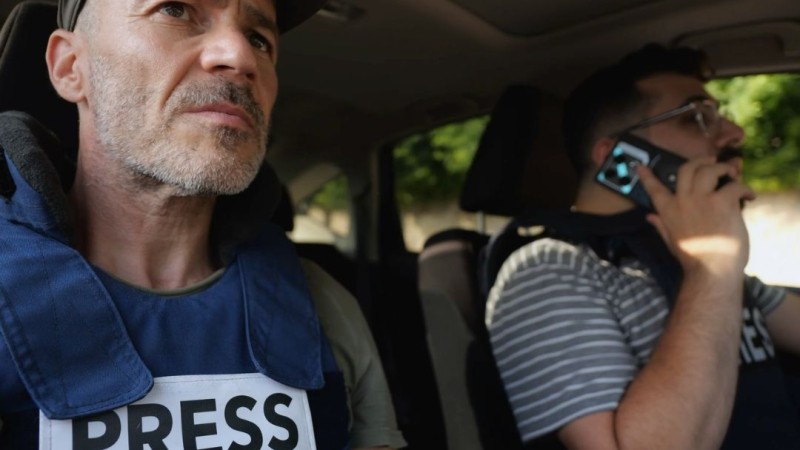
Following the mass resignation of more than 80 journalists, who collectively left the newsroom of Index.hu—the largest news portal in Orbán’s Hungary—in 2020, a shockwave is rippling through the Hungarian media landscape. What happens after the collapse of one of Hungary’s most important newsrooms? War correspondent András Földes captures on camera how the editorial team first falls apart, only to then venture a fresh start. Together, they founded Telex.hu, a media outlet intended to take off on the strength of idealism and the effort to preserve journalistic integrity. But political pressure and internal tensions complicate the development of this committed, defiant project. Ultimately, the question at the heart of it all is what freedom of the press actually means. 
 
Panel discussion with directors András Földes and Anna Kis, and Univ.-Prof. Hajo G. Boomgaarden, Ph.D. (University of Vienna)

Under pressure: shift to the right, radicalization and freedom of the press
What happens to democracy when independent journalism comes under pressure? Following 80 Angry Journalists, directors András Földes and Anna Kis will discuss with Univ.-Prof. Hajo G. Boomgaarden, Ph.D., from the University of Vienna on political radicalization, the rise of the extreme right and the threat to press freedom. Based on Hungarian female journalists' resistance to political influence, the conversation highlights the importance of independent media for democracy and the challenges of journalistic work in an increasingly polarized political climate.
 
András Földes — Director
András Földes is a Hungarian journalist, war reporter and documentary filmmaker. As a former reporter at Index.hu and co-founder of the independent news platform Telex.hu, he reported extensively on international conflicts and humanitarian issues. 80 Angry Journalists is his first feature-length documentary as a director.
 
Anna Kis — Director
Anna Kis is a Hungarian documentary filmmaker and editor. She studied at the University of Theater and Film Arts in Budapest and worked on numerous documentaries dealing with social issues and personal experiences. She served as co-director and editor on 80 Angry Journalists.
 
Univ.-Prof. Hajo G. Boomgaarden, Ph.D. — University of Vienna / University of Vienna
Univ.-Prof. Hajo G. Boomgaarden, Ph.D., is professor of social science methods at the Institute for Journalism and Communication Studies at the University of Vienna. His research interests include political communication, media effects, public opinion formation, and the influence of news and social media on political attitudes, including populism and support for right-wing extremist parties.

this human world: AGRIDULCE (BITTERSWEET) + Q&A

DO, 2026
98 min., OmeU
Up & Coming Competition
 
In the Dominican town of Cabarete, Bachata is a way of life - far removed from the nightclubs where the dance is celebrated globally today. Over a period of more than five years, director Frank Pavich (Jodorowsky’s Dune) follows a group of young musicians coming of age, offering an intimate look at how music shapes and accompanies their journey toward self-discovery. They are supported by Mártires de León, guitarist for Romeo Santos and teacher at the "Academia de Bachata" - the world’s only school dedicated entirely to a musical genre that has become one of the Dominican Republic’s most vital cultural exports. Intergenerational tensions emerge as the youth strive to reconcile the legacy of the past with the future they wish to build for themselves.
 
Q&A & Bachata Dance Social 
 
More Than Just Rhythm: Bachata, Identity, and Cultural Heritage
How can music and dance shape identity and connect people? Following Agridulce we explore the cultural roots of Bachata, its significance in Dominican society, and the power of music as an expression of identity and belonging. The film screening is accompanied by a Q&A offering insights into the making of the documentary, as well as a special Bachata Dance Social where the audience can experience the rhythms of the film off screen as well. 
 
Benjamin de Menil — Producer 
Benjamin de Menil is a film producer and founder of the Academia de Bachata, a tuition-free music school in the Dominican Republic. His long-standing connection to the local community forms the foundation of the documentary film Agridulce.

this human world: BEGINNING WHILE ENDING: A LIFE LIKE MOST OTHERS

US, 2026
102 min., OmeU
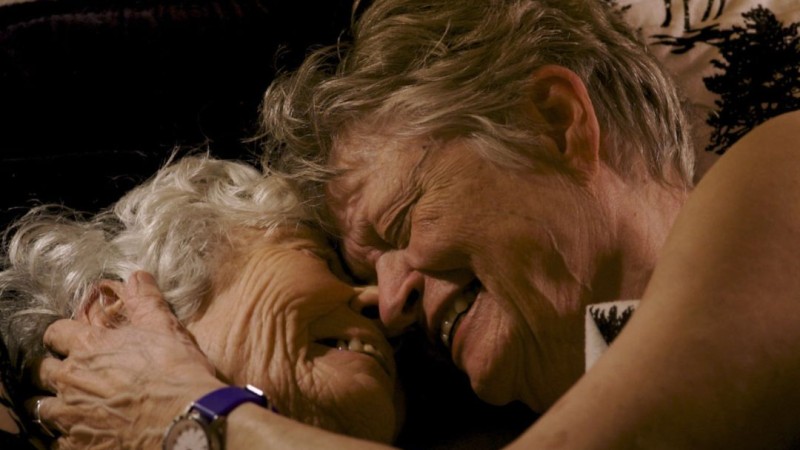
What are you doing with your one wild and precious life? This inspiring documentary follows a spirited, non-binary 80-year-old and their self-chosen LGBTQ+ family as they navigate the aging process with humor, resilience, and determination. A heartfelt tribute to love, identity, and the courage to find joy, healing, and hope at every stage of life.
 
The universal quest for meaning, the call for social justice, and the transformation of trauma into strength drive the film's themes as they reveal the power of the search for freedom and peace at every stage of life.

this human world: THE GUEST

DK, 2026
99 min., OmeU

Karl and Emilie travel with their newborn son to a luxurious seaside hotel to celebrate his christening with their family. But the anticipation of a joyful occasion is disrupted when Karl’s estranged mother, whom he hasn’t seen in years, shows up uninvited. While Karl would rather send her straight back home, his sister Rikke tries to mediate. Old conflicts resurface between the siblings, long-buried wounds come to light, and what was meant to be a family celebration turns into an increasingly absurd confrontation with the past. With a keen eye for the darker sides of human relationships and a touch of dark humour, the film explores family entanglements and the illusory hope of harmony.